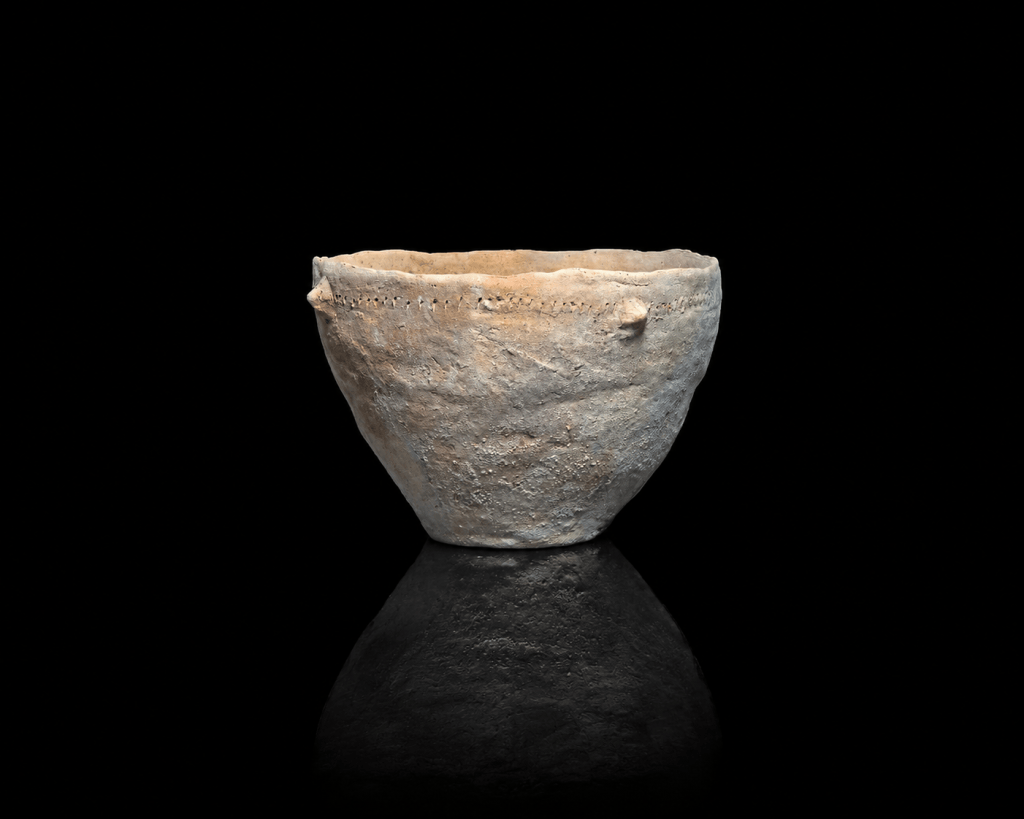
Early bronze Age Bowl
Southern Levant
Circa 3100-2900 BC.
Amongst the earliest of civilizations which flourished in the barren Bible lands, the peoples of the Early Bronze Age, who built the first cities, also produced pottery, which was beautifully and simply crafted.
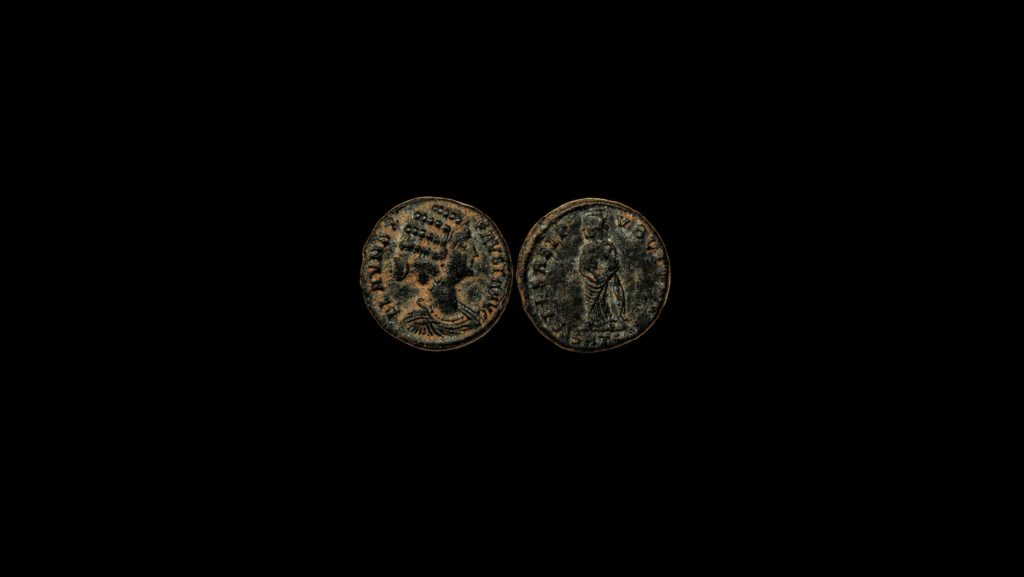
Roman Empire, 326-328 AD
AE Follis, Thessalonica Mint Obverse: Fausta, facing right, FLAV MAX FAVSTA AVG Reverse: Fausta as Salus, holding two sons, Constantine II and Constantius II, SPES REIPVBLICAE, SMTSA below RIC 161 (Thessalonica) 3.3 grams 18 mm
Melissa Jayne is a private collector/sometimes seller with a particular interest in the ancient West and Near East. Her approach to collecting is grounded in historical study, material culture, and an interest in the ways objects can preserve traces of vanished lives. She is especially drawn to small, personal objects that retain a strong sense of the larger historical worlds in which they were made and used.
Founded in 2020, this private collection is centered on the material cultures of the ancient West and Near East. It reflects an interest not only in the objects themselves, but in the societies that made, used, valued, and preserved them. The collection is guided by historical curiosity, close study, and the enduring ability of ancient objects to collapse the distance between the past and the present.
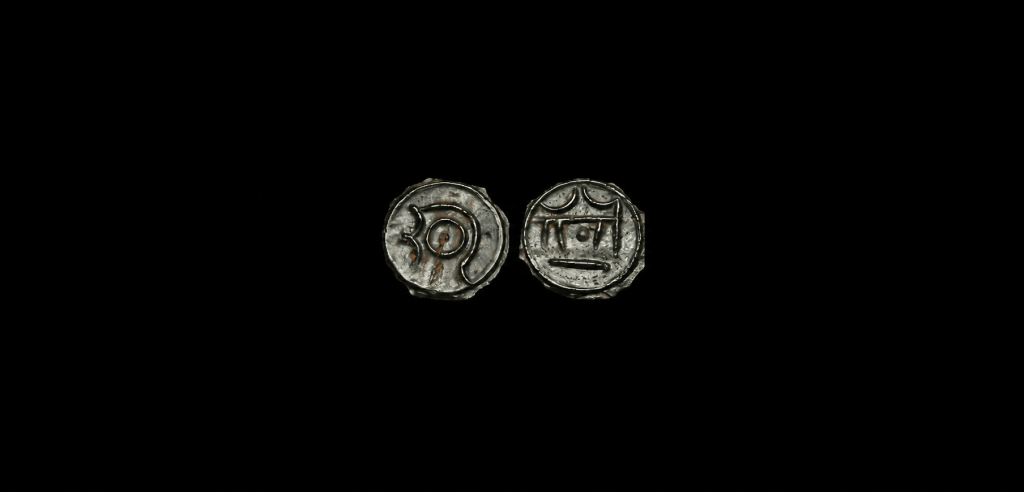
Cantii, Angular Bull
AE Cast Potin ca. 85-50BC
Crude Apollo head left with central pallet. Lines representing a bull r. with crescents above and below.
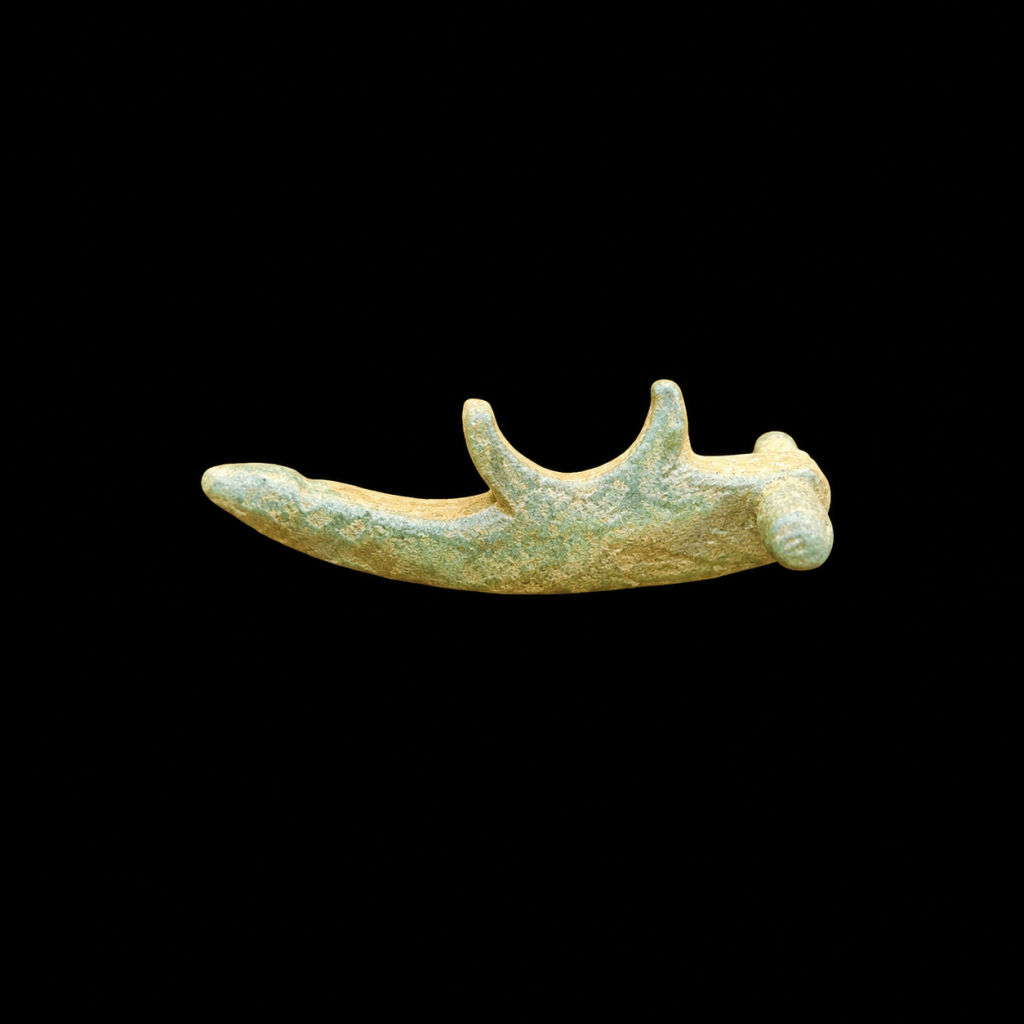
Roman phallus, Imperial period
1st century AD
1 11/16 in. (4.3 cm.)
Phallic emblems are found on a wide range of Roman objects, from amulets to frescoes to mosaics to lamps. They were symbols intended to bring good luck and ward off evil spirits. As the ancient author Pliny attests, even babies and soldiers wore such charms to invite divine protection.
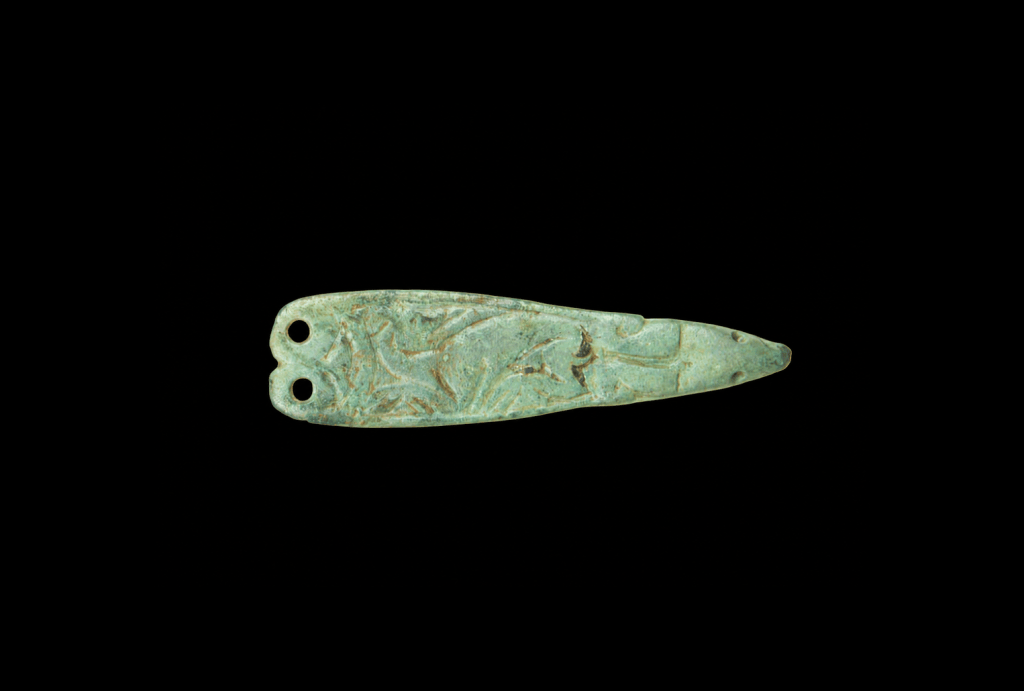
Anglo Saxon Bronze Strap End
Zoomorphic design 7th/8th Century AD
Found Rochester, Kent
44×11 mm, 4.73 g
This item comes from antiquities found by metal detectorists over nearly 50 years in fields around southeast England, many recovered in the ’80s and ’90s before intensive farming meaning they are in better condition.
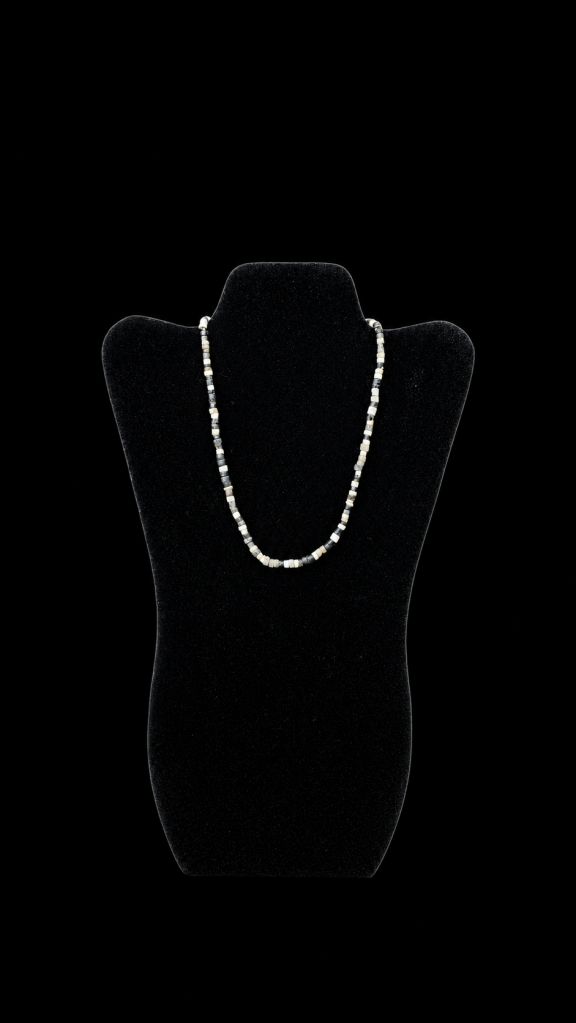
Sumerian Steatite & Shell Core Bead Necklace
ca. 2200-1800 BC
While the excavation of these beads are unknown, archaeologists found ancient Sumerian beads primarily in royal tombs, cemeteries, and temple deposits across southern Mesopotamia.
Contact

